
Report contents
- Cover, condolences and summary
- Block 00Framework, method and executive summary
- Block 01Southern Caribbean Tectonics and Seismic History
- Block 02The 24 June 2026 doublet and its damage
- Block 03Is seismic activity increasing? Trend and region
- Block 04Volcanoes, Aquifers, Karst and Ground Hazards
- Block 05Self-protection, myths and recommendations
- Block 06Conclusions and priorities
- Block 07Operational annexes, glossary and sources
- Block 08People, causes of collapse and rescue
- Block 09Reception, Reconstruction, Health, and Governance
- Block 10Evidence, memory, microzonation and questions
Technical briefing report · Earthquakes and civil protection
The La Guaira and Venezuela earthquakes
Venezuela sits on an active tectonic boundary: the June 2026 disaster does not mean the planet has entered an exceptional seismic phase, but it is an extraordinary local and national crisis with cascading hazards that may last for years.
Seismic history, the instrumental sequence of 2026, regional context, volcanism, aquifers, karst terrain, the technical causes of building collapse, search and rescue, reconstruction and self-protection. A living document: casualty, aftershock and damage figures are provisional and are always cited with their date and source.
- Code
- SSRC-TER-LG-01Version 2.2 · expanded and illustrated edition
- Blocks
- 1141 chapters and annexes, complete content
- Data cut-off
- 08.08.2026Provisional data under review
- Event
- Mw 7.2 + 7.524 June 2026 · earthquake doublet
- Author
- José Antonio Amador Pérez (Mackoy) · SS&RC Management
- Audience
- Informed public and security and emergency professionals
- Status
- Living document · complete content
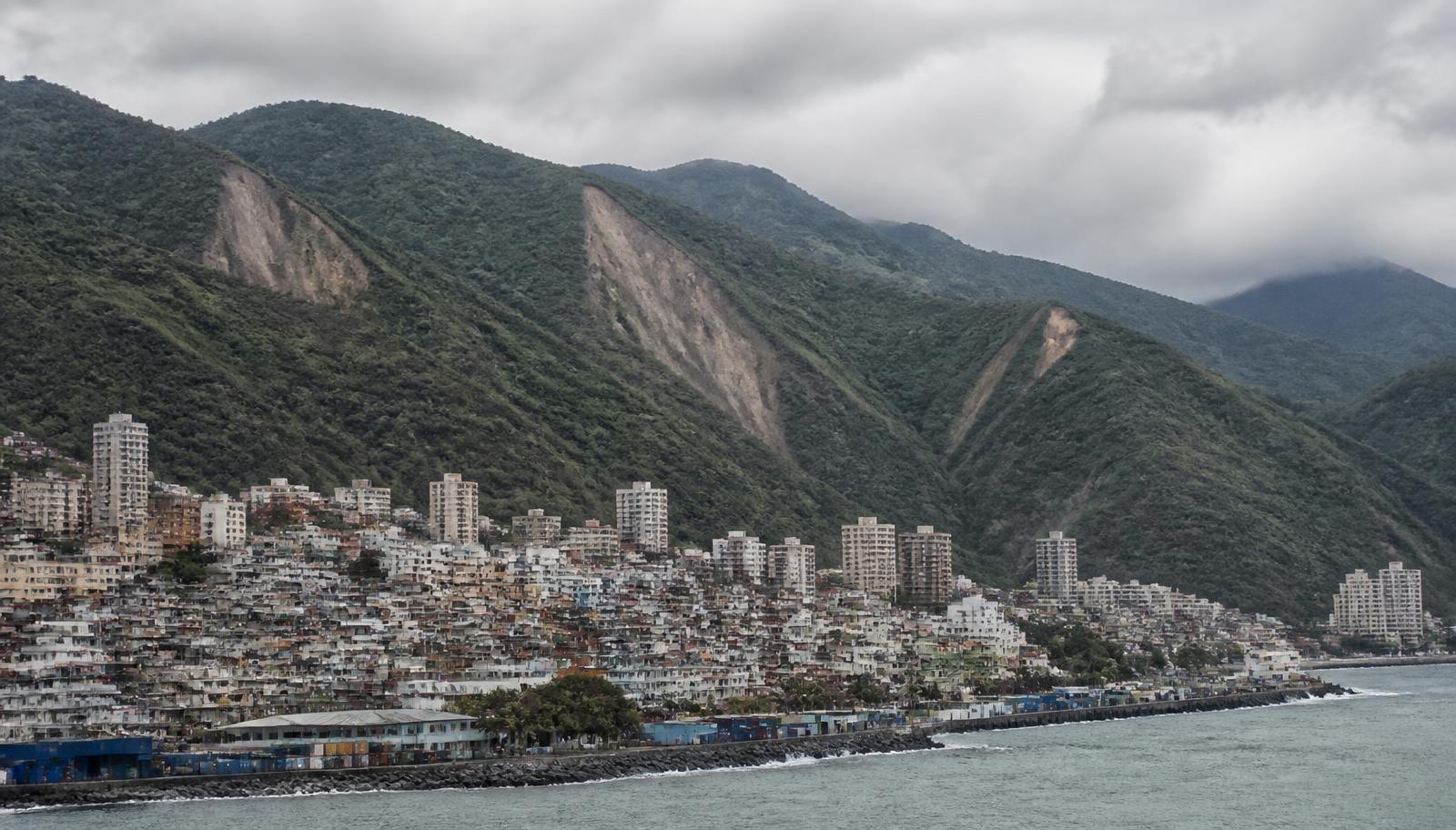
In memoriam · La Guaira, 24 June 2026
Our condolences to the victims of La Guaira and Venezuela
Before any instrumental data, this report opens with an acknowledgement of the people. The earthquake doublet of 24 June 2026 left thousands dead, tens of thousands injured, families without housing and entire communities without services. Every figure in this document corresponds to specific lives, homes, schools and neighbourhoods.
Security, Safety and Risk Control extends its condolences and solidarity to the families of the victims, to the missing and to those still seeking answers. Our recognition goes to the rescue teams, health workers, firefighters, civil protection staff, volunteers and neighbours who worked — and are still working — in extreme conditions.
We stand in particular with Mr Juan José, director of IFPO Spain, a native of La Guaira, who has lost several family members in this disaster. His grief is also ours. This report is published with his memory present and with the professional commitment he represents: turning pain into useful knowledge so that the next tremor does not cost the same again.
Researching with rigour, publishing with transparency and remembering with dignity are, for us, three forms of respect.
José Antonio Amador Pérez · SS&RC Management and Deputy Director of IFPO Spain, on behalf of the whole team.

Report map
Eleven navigable blocks
The report is read block by block to avoid a single endless page. The content is complete: no chapter, table, figure or annex has been summarised or removed.
- Block 00Framework, method and executive summaryMethodological disclaimer, levels of evidence, executive summary, study objective and seismology fundamentals5 chapters
- Block 01Southern Caribbean Tectonics and Seismic HistoryCaribbean-South America plate boundary, fault system, and the seismic history of Venezuela and La Guaira2 chapters
- Block 02The 24 June 2026 doublet and its damageInstrumental sequence, chronology of the night, damage, aftershocks and cascading hazards2 chapters
- Block 03Is seismic activity increasing? Trend and regionHomogeneous analysis of the ComCat catalogue and activity in Colombia, Brazil, Guyana and the Eastern Caribbean2 chapters
- Block 04Volcanoes, Aquifers, Karst and Ground HazardsActual relationship between earthquakes and volcanoes, regional volcanic situation, wells, karst, liquefaction, landslides and tsunami5 chapters
- Block 05Self-protection, myths and recommendationsBefore, during and after; critical analysis of the triangle of life; recommendations and public communication4 chapters
- Block 06Conclusions and prioritiesReport conclusions and action priorities with declared level of evidence1 chapters
- Block 07Operational annexes, glossary and sourcesFact sheet for families, post-earthquake visual inspection, emergency kit, methodology, glossary and bibliography6 chapters
- Block 08People, causes of collapse and rescueHuman dimension and mourning, why buildings collapsed, EPS, survival voids and USAR rescue4 chapters
- Block 09Reception, Reconstruction, Health, and GovernanceAutonomous Reception and Continuity Area, international lessons, public health, governance, and implementation program5 chapters
- Block 10Evidence, memory, microzonation and questionsMatrix of evidence, memory and memorial, seismic microzonation and frequently asked questions from families5 chapters